

The Texas home buying process can seem overwhelming at first, especially if you’re purchasing your first home. Between financing, inspections, contracts, appraisals, title work, and closing, there are many moving parts. Fortunately, understanding each step before you begin can make the experience much less stressful and help you make confident decisions. The “Texas Home Buying Process Complete Guide” walks you through the process from start to finish so you’ll know exactly what to expect.
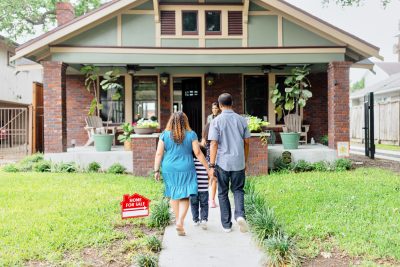
Every home-buying journey begins with a single step. Walker Texas Team guides buyers through the Texas home buying process, from the first showing to closing day in San Marcos and throughout Central Texas.
Why Understanding the Texas Home Buying Process Matters
Many buyers believe the Texas home buying process begins when they start looking at homes online. Actually, it begins much earlier. Understanding each step helps you reduce surprises, make better decisions, avoid delays, negotiate confidently, and enjoy the experience. If you’re buying in San Marcos or Central Texas, local knowledge about neighborhoods, schools, taxes, and future growth is equally important.
How to Choose the Right Realtor Near Me in San Marcos, TX
Step 1: Decide If You’re Ready to Buy
Before speaking with a lender or touring homes, evaluate your finances, employment, savings, long-term plans, and monthly budget. Also consider commute times, neighborhood amenities, school districts, property taxes, and future resale value.

Reviewing your monthly budget and expenses can help determine how much home you can comfortably afford before beginning your Texas home search.
Step 2: Choose the Right REALTOR®
A knowledgeable REALTOR® does much more than show homes. They educate, negotiate, coordinate deadlines, explain contracts, and help you avoid costly mistakes. Local expertise is especially valuable when buying in San Marcos and Central Texas.
Why Working With a Local Realtor Matters: – Walker Texas Team
Step 3: Get Pre-Approved for a Mortgage
Before you begin touring homes, getting pre-approved for a mortgage is one of the smartest steps you can take. A pre-approval helps you understand your budget, strengthens your negotiating position, and shows sellers you are a serious buyer. Additionally, it helps prevent you from falling in love with a home that is outside your price range.

Getting pre-approved for a mortgage is one of the most important first steps in the Texas home buying process. It helps you understand your budget, strengthens your offer, and allows you to shop for homes with confidence.
Get a preapproval letter | Consumer Financial Protection Bureau
Step 4: Start Searching for Homes
Once you know your budget, the exciting part begins—searching for homes. However, don’t focus only on the house itself. Also consider the neighborhood, commute, schools, future resale value, property taxes, and long-term lifestyle. If San Marcos is one of the communities you’re considering, my Living in San Marcos TX: What’s It Like? – Walker Texas Team guide takes a deeper look at the neighborhoods, lifestyle, transportation, housing, growth, and other factors worth considering before you move.

Touring homes is one of the most exciting steps in the Texas home buying process. Visiting properties in person helps buyers compare layouts, neighborhoods, and features before making an offer.
Ultimate Guide to Central Texas Real Estate | Walker Texas Team – Walker Texas Team
Community Archives – Walker Texas Team
Step 5: Make an Offer
When you find the right home, your REALTOR® will help prepare a competitive offer. A Texas purchase offer commonly includes the purchase price, earnest money, option period, financing terms, requested closing date, and any contingencies. After the offer is submitted, the seller may accept it, reject it, or make a counteroffer. Therefore, patience and good communication are important throughout negotiations.

Once you’ve found the right home, your REALTOR® will help you prepare a competitive purchase offer. A well-written offer outlines the price, financing, earnest money, option period, and other important contract terms that can influence whether your offer is accepted.
Local Pro Tip
In competitive Central Texas markets, desirable homes can sell quickly. Consequently, having financing in place, understanding your priorities, and working with an experienced local REALTOR® can help you act confidently when the right opportunity appears.
Step 6: Open Escrow
Once your offer has been accepted, the transaction officially moves into escrow. Escrow is a neutral process designed to protect both the buyer and the seller while the requirements of the contract are completed. During this period, important documents, earnest money, and other funds are held by the title company until all conditions have been satisfied.

Before closing, the title company carefully reviews ownership records, legal documents, and closing paperwork to help ensure the transaction is completed accurately and securely.
💡 **Pro Tip:** Keep copies of every document you receive during escrow. Having everything organized will make the remainder of the transaction much easier.
⚠️ **Common Mistake:** Buyers sometimes assume everything is complete once their offer is accepted. Actually, some of the most important work happens after the contract is signed.
📍 **Central Texas Insight:** Many Central Texas title companies communicate electronically. Responding quickly to document requests helps avoid unnecessary delays.
Step 7: Schedule Your Home Inspection
Next, schedule a professional home inspection as soon as possible. Although a home may appear to be in excellent condition, an inspection can identify issues that are not visible during a showing. Therefore, this is one of the most valuable investments you can make during the buying process.
A typical inspection evaluates the roof, foundation, plumbing, electrical system, HVAC equipment, appliances, attic, insulation, windows, and many other components.
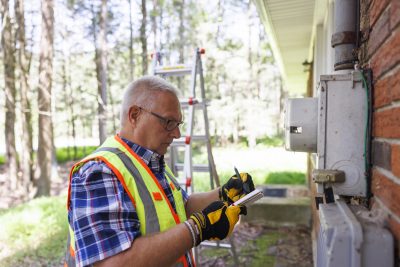
A professional home inspection helps identify potential issues before closing, giving buyers the information they need to make confident decisions and negotiate repairs when appropriate.
💡 **Pro Tip:** Attend the inspection if possible. Walking through the property with the inspector gives you a much better understanding of how the home operates.
⚠️ **Common Mistake:** No home is perfect. Focus on significant safety or structural concerns rather than expecting every inspection report to be flawless.
📍 **Central Texas Insight:** Homes in Central Texas may have unique considerations such as expansive soils, foundation movement, limestone terrain, irrigation systems, wells, septic systems, or floodplain considerations. A local inspector understands what to look for.
Step 8: Review the Texas Option Period
One feature that makes Texas real estate different from many other states is the option period. This negotiated period allows buyers time to complete inspections, gather information, and decide whether to continue with the purchase.
During the option period you may review inspection findings, obtain repair estimates, negotiate repairs, or exercise your contractual rights according to the purchase agreement.

Reviewing the home inspection report helps buyers understand the property’s condition, identify potential repairs, and make informed decisions before the Texas option period expires.
💡 **Pro Tip:** Don’t wait until the last day of the option period to schedule inspections. Allow enough time to review reports and negotiate if necessary.
⚠️ **Common Mistake:** Buyers sometimes confuse the option period with the closing date. They serve completely different purposes.
📍 **Central Texas Insight:** During busy spring and summer markets, inspectors can book several days in advance. Scheduling early helps protect your contractual deadlines.
Step 9: The Home Appraisal
After the inspections are complete, your lender will usually order an appraisal. An appraisal estimates the property’s market value to help ensure the home supports the loan amount. If the appraised value meets or exceeds the purchase price, the transaction normally continues. If it is lower, additional negotiations may be necessary.

A professional home appraisal helps determine a property’s market value by evaluating its condition, features, location, and comparable recent sales. Most lenders require an appraisal before approving a mortgage.
💡 **Pro Tip:** Remember that an appraisal is different from a home inspection. One estimates value; the other evaluates condition.
⚠️ **Common Mistake:** Buyers often assume improvements automatically increase value dollar-for-dollar. Appraisers rely heavily on comparable sales.
📍 **Central Texas Insight:** Rapidly growing communities such as San Marcos can experience changing comparable sales. Local market knowledge helps explain valuation trends.
Step 10: Title Search and Title Insurance
The title company researches the property’s ownership history to confirm the seller can legally transfer ownership. The search also looks for liens, judgments, easements, and other issues. Most buyers purchase an owner’s title insurance policy for added protection.

Before closing, the title company researches public records to verify legal ownership, identify liens or easements, and help ensure the property can be transferred to the buyer with clear title.
💡 **Pro Tip:** Ask questions if you don’t understand your title commitment. Your REALTOR® and title company can explain it.
⚠️ **Common Mistake:** Buyers sometimes confuse title insurance with homeowners insurance. They protect against different risks.
📍 **Central Texas Insight:** Older properties may have historic easements or boundary issues that deserve careful review.
Step 11: Final Loan Approval
Before closing, your lender completes final underwriting. During this stage, avoid changing jobs, opening new credit accounts, financing vehicles, or making large purchases until your loan has funded.
💡 **Pro Tip:** Keep your financial picture as stable as possible until after closing.
⚠️ **Common Mistake:** Buying furniture on credit before closing can affect loan approval.
📍 **Central Texas Insight:** Respond quickly to lender requests to keep your closing date on schedule.
Step 12: Final Walk Through
Shortly before closing, complete a final walk-through. Verify agreed-upon repairs have been completed, included items remain with the property, and the home is in substantially the same condition as when you purchased it.

The final walk-through gives buyers one last opportunity to verify that agreed-upon repairs have been completed, the home is in the expected condition, and all negotiated items remain before closing day.
💡**Pro Tip:** Bring a copy of the repair agreement and check each completed item.
⚠️ **Common Mistake:** Treating the walk-through as another inspection instead of a final verification.
📍 **Central Texas Insight:** If severe weather occurs before closing, inspect carefully for any new damage.
Step 13: Closing Day
Closing day is when ownership officially transfers. You’ll sign the closing documents, the lender funds the loan, and once the county records the transaction, you’ll receive the keys to your new home.

Closing day is the exciting final step in the Texas home buying process. After the documents are signed and the transaction is funded and recorded, buyers officially become homeowners and receive the keys to their new home.
💡 **Pro Tip:** Bring a government-issued ID and any items your title company requests before arriving.
⚠️ **Common Mistake:** Scheduling movers before confirming your transaction has officially funded and recorded.
📍 **Central Texas Insight:** Funding and recording times can vary, so ask your REALTOR® when you should expect to receive your keys.
Top 10 Mistakes Texas Home Buyers Make
- Starting your home search before getting pre-approved.
- Focusing only on the house instead of the neighborhood.
- Skipping the home inspection.
- Making large purchases before closing.
- Ignoring total monthly ownership costs.
- Not asking enough questions during the option period.
- Overlooking resale value.
- Letting emotions control negotiations.
- Failing to budget for maintenance.
- Choosing an agent based only on commission or friendship.
James Walker’s Pro Tips
💡 Think five to ten years ahead, not just today.
💡 Buy the right location before the perfect house.
💡 Keep an emergency fund after closing.
💡 Ask questions—there are no bad questions.
💡 Work with professionals who know Central Texas.
Buying in San Marcos & Central Texas
Every market has unique characteristics. Buyers in San Marcos and the surrounding communities should understand floodplain maps, property tax rates, MUD/PID districts where applicable, new construction opportunities, commute patterns, future road projects, and neighborhood growth.

San Marcos offers a unique blend of historic charm, vibrant local businesses, Texas State University, and a growing real estate market. Understanding the community is just as important as understanding the home-buying process.
Explore Homes for Sale in San Marcos TX | Walker Texas Team
New Construction vs. Existing Homes
New homes often include modern floor plans and builder warranties, while resale homes may offer mature neighborhoods, larger lots, and established landscaping. Evaluate both options based on your goals rather than assuming one is always better.
Home Buying Timeline
- Week 1: Meet with REALTOR® and lender.
- Weeks 2–6: Tour homes and submit offers.
- Week 6: Contract accepted.
- Week 6–7: Earnest money, inspections, option period.
- Week 7–8: Appraisal and loan processing.
- Week 8+: Final walk-through and closing.
Texas Home Buyer Checklist
☐ Obtain mortgage pre-approval.
☐ Choose a REALTOR®.
☐ Determine your budget.
☐ Search for homes.
☐ Submit an offer.
☐ Complete inspections.
☐ Review title work.
☐ Secure homeowners insurance.
☐ Complete final walk-through.
☐ Attend closing and receive your keys.
Documents You May Need
- Government-issued photo ID
- Recent pay stubs
- W-2s or tax returns
- Bank statements
- Proof of funds
- Homeowners insurance information
What Happens After Closing?
Congratulations! After closing, keep copies of your closing documents, transfer utilities if needed, file for your Texas homestead exemption when eligible, and create a maintenance schedule for your new home.
Glossary of Common Terms
Earnest Money: A good-faith deposit submitted with an offer.
Option Period: A negotiated period allowing inspections and contract review.
Escrow: A neutral process that protects buyer and seller during the transaction.
Appraisal: An opinion of market value prepared for the lender.
Closing: The final transfer of ownership.
Frequently Asked Questions
How long does it take to buy a home in Texas?
Most financed purchases close in about 30–45 days, although timelines vary depending on the property, financing, inspections, and negotiations.
Should I get pre-approved before looking at homes?
Yes. A pre-approval helps establish your budget and strengthens your offer.
How much money do I need to buy a home?
It depends on your loan program, down payment, closing costs, and reserves.
What is earnest money?
Earnest money is a good-faith deposit that accompanies an offer and demonstrates a buyer’s commitment.
What is the Texas option period?
The option period allows buyers time to inspect the property and evaluate the purchase under the contract terms.
Do I really need a home inspection?
Although not always required, a professional inspection is strongly recommended.
What does title insurance do?
Owner’s title insurance helps protect against certain title defects and ownership issues.
Can I make purchases before closing?
Avoid major purchases or new debt until your lender confirms the loan has funded.
What happens on closing day?
You sign documents, funds are disbursed, the transaction records, and ownership transfers.
Why should I work with a local REALTOR®?
Local expertise can help you understand neighborhoods, market conditions, and community-specific considerations.
About Walker Texas Team
Walker Texas Team is dedicated to helping buyers and sellers make informed real estate decisions throughout Central Texas. Our Knowledge Library was created to answer common real estate questions with accurate, evergreen information based on local experience and professional expertise. Whether you’re buying your first home, selling a property, or relocating to the area, our goal is to provide practical guidance you can trust.
Ready To Buy A Home?
If you’re thinking about buying a home in San Marcos or anywhere in Central Texas, Walker Texas Team would be honored to help. We’re committed to educating our clients, answering questions, and guiding you through every step of the home-buying process with confidence.
Written & Developed By:
James Walker, Associated Broker
Walker Texas Team of Keller Williams Realty
San Marcos, TX 78666

Walker Texas Team at Keller Williams Realty KW ATX—trusted real estate experts serving San Marcos, TX and the Central Texas area.