

Buying Waterfront Property in Central Texas: What You Need to Know Before You Buy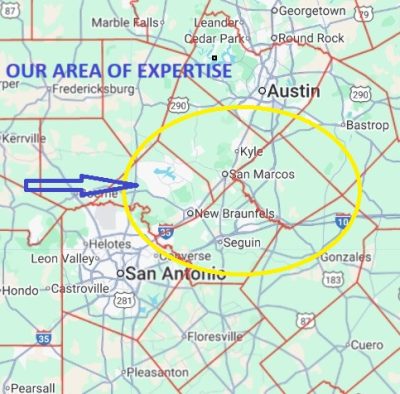
Central Texas waterfront property offers a lifestyle that blends natural beauty, recreation, and long-term value. From lakefront homes to riverfront acreage and private waterski communities, buyers are increasingly drawn to the unique opportunities found throughout Hays, Comal, Guadalupe, and Caldwell Counties.
However, buying waterfront real estate in Central Texas requires specialized knowledge. Water levels fluctuate, flood zones vary dramatically, and utilities such as water and sewage can differ from one property to the next. Working with a local expert who understands these nuances can save buyers thousands of dollars—and major headaches—down the road.
James Walker Associated Broker and Team Lead of the Walker Texas Team, is a Central Texas native with extensive experience helping buyers and sellers navigate the complexities of waterfront properties across the region.
Central Texas Waterfront Areas We Specialize In
The Walker Texas Team regularly assists clients buying and selling waterfront properties along some of the most desirable bodies of water in the region, including:
- Canyon Lake
- Lake McQueeney
- Lake Dunlap
- Guadalupe River
- San Marcos River
- Blanco River
- Little Blanco River
- San Marcos River Ranch Waterski Lakes
Each of these waterfront areas offers a different ownership experience, price range, and risk profile—making local expertise critical.
Water Levels & Flow: A Critical Factor in Central Texas Waterfront Homes
One of the most important considerations when buying waterfront property in Central Texas is water consistency.
- Spring-fed rivers, such as portions of the San Marcos River, tend to maintain more stable flow.
- Reservoir-based lakes, including Canyon Lake, can experience dramatic water-level changes during drought cycles.
- Guadalupe River lakes like Lake McQueeney and Lake Dunlap are influenced by dam operations, seasonal rainfall, and regional water management decisions.
Buyers should always ask:
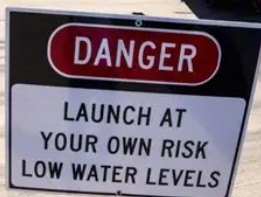
- Has the water level historically fluctuated?
- Is the property usable during low-water conditions?
- Are docks, boat slips, or bulkheads affected by drawdowns?
James Walker and the Walker Texas Team analyze historical water data and local conditions to help clients make informed decisions—not emotional ones.
FEMA Flood Zones & Insurance Considerations
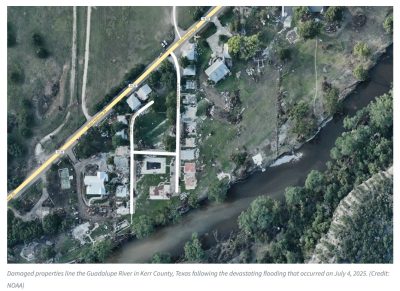
Waterfront living often comes with floodplain exposure, especially along rivers.
Before purchasing any waterfront home, buyers should review:
- FEMA flood zone designations
- Base Flood Elevation (BFE)
- Flood insurance requirements and costs
- Past flood history of the property and surrounding area
Properties along the Blanco River and Guadalupe River, in particular, can fall within high-risk flood zones depending on elevation and proximity to the water.
An experienced waterfront real estate agent can help interpret flood maps and explain how zoning impacts insurance premiums, resale value, and future improvements.
Water Sources: Well, Community, or Private Supply?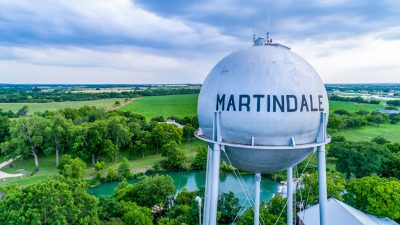
Not all waterfront properties have the same access to potable water. In Central Texas, buyers may encounter:
- Private water wells
- Community water systems
- Small private water co-ops
Each option has pros and cons. Wells require testing, maintenance, and adequate aquifer levels. Community systems may involve monthly fees or usage restrictions during droughts.
Understanding your water source is especially important in rural or semi-rural areas of Comal, Caldwell, and Guadalupe Counties, where infrastructure can vary widely.
Septic Systems & Wastewater Concerns
Many waterfront homes—especially outside city limits—use septic systems rather than municipal sewer.
Key things to verify:
- Septic system age and condition
- Location relative to the water
- Compliance with current regulations
- Capacity for future expansions or guest accommodations
Improperly maintained septic systems near waterways can pose environmental risks and expensive repair obligations. A proper inspection is non-negotiable when buying waterfront property.
Tourist Traffic, Recreation & Noise Considerations
Central Texas waterfront properties are highly desirable—not just for homeowners, but for tourists.
Popular areas like Canyon Lake and stretches of the Guadalupe River experience:
- Heavy summer boat traffic
- Tubing and paddle sports
- Short-term rentals and vacation crowds
- Increased noise during peak seasons
Some buyers love the energy. Others prefer quieter, private waterfront settings such as the San Marcos River Ranch Waterski Lakes in Martindale, which offer controlled access and purpose-built recreational lakes.
Understanding how tourism impacts daily life and resale value is an important part of choosing the right waterfront location.
Long-Term Value & Resale Strategy
Waterfront properties in Central Texas often hold value exceptionally well—but only when purchased wisely.
Factors that influence long-term appreciation include:
- Water reliability
- Flood risk mitigation
- Utility infrastructure
- Accessibility and road quality
- HOA rules and waterfront usage rights
James Walker works closely with clients to evaluate not just the lifestyle appeal of a waterfront home, but its investment fundamentals.
Why Work With James Walker & the Walker Texas Team
walkertxteam.com
Buying or selling waterfront property is not the same as a standard residential transaction. It requires specialized local knowledge, careful due diligence, and a deep understanding of Central Texas geography and water systems.
James Walker, team lead of the Walker Texas Team, is a Central Texas native with extensive experience in waterfront real estate across Hays, Comal, Guadalupe, and Caldwell Counties. His hands-on knowledge of lakes, rivers, flood zones, utilities, and market trends allows clients to move forward with confidence.
Whether you’re searching for a riverfront retreat, lakefront home, or private waterski property, the Walker Texas Team provides expert guidance every step of the way.