

If you’re preparing to sell a home or acreage in Central Texas, it’s important to understand Unused Water Well Disclosure Texas requirements. Beginning July 1, 2026, Texas sellers who know there is an unused or inactive water well on their property must disclose that information on the updated Seller’s Disclosure “About Groundwater and Surface Water Rights”. Understanding Unused Water Well Disclosure Texas requirements before listing your property can help avoid surprises during inspections and make your transaction smoother.

Many country homes in Central Texas rely on private water wells, making proper groundwater disclosures an important part of the home-selling process.
What Is the Unused Water Well Disclosure Texas Requirement?
Texas recently updated its disclosure requirements regarding groundwater and surface water rights. Sellers are now asked to disclose known information about water wells located on the property using the updated Seller’s Disclosure “About Groundwater and Surface Water Rights” form.
An important point is that unused does not mean undisclosed.
If you know a well exists—even if it hasn’t been used in years—it should be disclosed.
The disclosure requirement is based upon the seller’s knowledge. Sellers are not required to hire experts or investigate whether unknown wells may exist.
For the official Texas Real Estate Commission disclosure form, visit:
https://www.trec.texas.gov/forms/water-notice-sellers-disclosure-about-groundwater-and-surface-water-rights
Why an Unused Water Well Disclosure Texas Requirement Matters
Many homes and acreage properties throughout Central Texas have older water wells.
This is especially common in communities including:
- San Marcos
- Wimberley
- Canyon Lake
- Fischer
- New Braunfels
- Seguin
- Martindale
- Lockhart
- Driftwood
- Kyle
- Buda
Many older homes were originally served by private wells before connecting to municipal water systems.
Although the wells may no longer be in service, they remain an important feature of the property and should be disclosed if known.
What Sellers Should Know About Unused Water Well Disclosure Texas
The updated disclosure does not require sellers to become investigators.
Instead, sellers simply disclose information they already know.
Examples include:
- A well behind a barn or garage
- A well that was capped years ago
- A well identified in previous closing documents
- A well mentioned by prior owners
- Records showing a well was professionally plugged
If you know about it, disclose it.
If you genuinely have no knowledge of a water well, Texas does not require you to search for one.
Why Buyers Should Ask About Unused Water Wells
For buyers, an inactive well isn’t automatically a concern.
However, it is something worth understanding before closing.
Older wells can create several issues, including:
- Safety concerns if left uncovered
- Potential groundwater contamination if improperly abandoned
- Future costs associated with plugging or restoring the well
Knowing about these items during the option period gives buyers an opportunity to make informed decisions.
For additional information about protecting groundwater and abandoned wells, visit the Texas Groundwater Protection Committee:
https://tgpc.texas.gov/POE/FAQs/WellOwner_FAQ.pdf
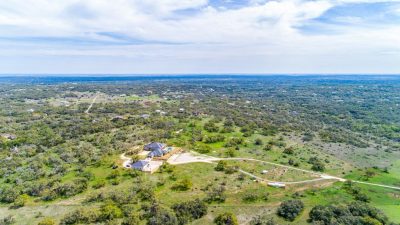
This Central Texas acreage property at 761 Allison Lane in San Marcos is served by a private water well, highlighting why understanding groundwater disclosures is important for rural home buyers and sellers.
761 Allison Ln. is currently for sale (Home in photo). click here for more info:
761 ALLISON LANE, SAN MARCOS, TX 78666 – Walker Texas Team
My Recommendations for Central Texas Sellers
As an Associated Broker serving buyers and sellers throughout Central Texas, I recommend discussing water wells before placing your property on the market.
Ask yourself these questions:
- Is there a water well on the property?
- Is it active or inactive?
- Has it been professionally plugged?
- Do you have any documentation?
- Do you know approximately where it is located?
Having this information available before listing can help prevent delays once you’re under contract.
Working With a REALTOR® Familiar With Rural Property
Selling acreage and country homes involves more than simply placing a sign in the yard.
Private wells, septic systems, easements, agricultural exemptions, groundwater rights, and rural disclosures often require additional attention compared to properties located in city subdivisions.
Working with an experienced REALTOR® who understands these issues can help make your transaction much smoother.
If you’re thinking about buying or selling acreage anywhere in Central Texas, I’d be happy to answer your questions.
Contact me at:
https://walkertxteam.com/contact/
You can also browse additional Central Texas real estate articles here:
Internal Link:
https://walkertxteam.com/blog/
Final Thoughts on Unused Water Well Disclosure Texas
Understanding Unused Water Well Disclosures Texas requirements is one more way seller’s can prepare for a successful closing. If you know an inactive or abandoned well exists on your property, disclose it using the updated Texas form. Honest disclosures help buyers make informed decisions while protecting sellers from unnecessary complications later in the transaction.
Whether you’re buying or selling property in San Marcos, New Braunfels, Canyon Lake, Wimberley, Seguin, Kyle, Buda, Lockhart, or anywhere throughout Central Texas, the Walker Texas Team is here to help.
Contact us today to discuss your next move.
512-396-7325

Walker Texas Team at Keller Williams Realty, led by James Walker, proudly serving Central Texas and the Hill Country with expert representation in residential, land, commercial, and farm & ranch real estate.